By Tanya Sousa
The first time I saw our land in East Albany, bulldozers had smoothed a spot for our future home. There was more to the place than I knew back then, and when the house was built, and a couple of summers went by, I began to find clues.
There were granite blocks my mother said were once the foundation to a barn that had burned, as the original house had too. Raspberries grew alongside the house; Mom and I fought through them on hot days, getting sticky red fingers. Our dog went too and delicately picked her own. We’d share some of our berries with her, but she seemed to delight in showing us she could pick too.
There were apple trees among scrubby brush and a rusted, barbed-wire fence. I built a fort within the scrub one year and found one tree with a different sort of fruit—a plum! It was nearly dead, but I marveled at the one plum I found on a tree that was planted more years ago than my then ten-year-old mind could imagine.
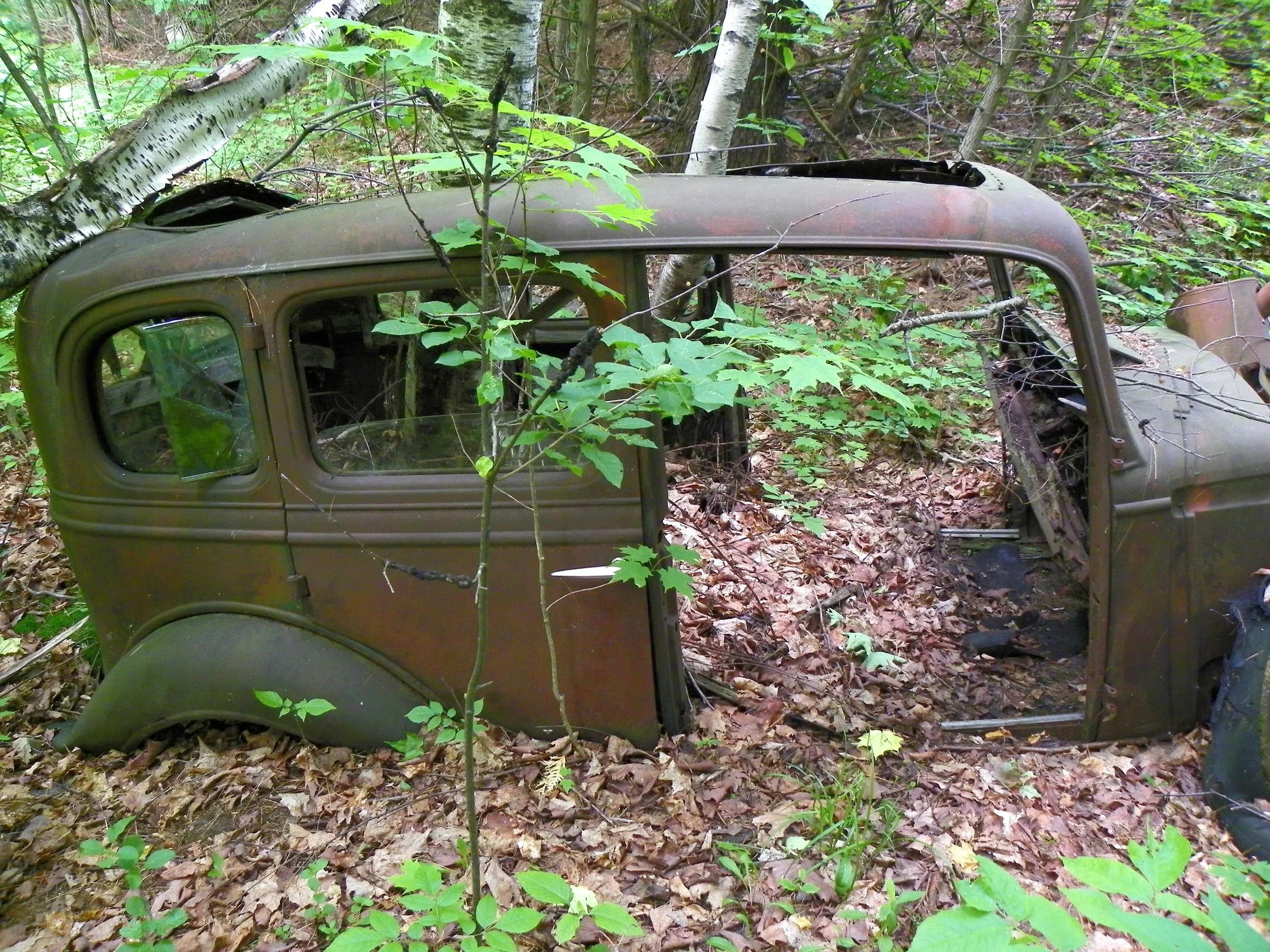
Fruit and stone weren’t the only evidence of a rich past. A rusted antique car rested on a hillside. A broken wooden manure spreader with metal wheels set under a century-old maple tree. I often dug holes and found horseshoes or square nails. Digging in a very grassy knoll revealed manure that, once I excavated two feet down, still looked fresh—The knoll was a manure pile!
It was that day I really understood cows had grazed there. They’d been milked there.
Spring brought other reminders of lives that had been lived there. As soon as they popped up, I picked bouquets of myrtle and lily of the valley that my family hadn’t planted. A bit later, purple and white lilac trees began to abound. Yellow day lilies grew in a polite circle by early summer. Pink roses popped up by July. There were even a few white rose bushes that must have been a prize in the clearly once-loved farmer’s wife’s garden.
As if woken up from a long sleep, the heirloom garden flowers began to grow.
One area revealed sweet William and columbines, and in the treeline by the road, snowball bushes choked, once having had all the sun they needed when the maples were young. My father dug them up and moved them. With room and sunshine again, the struggling bushes grew into small, triumphant, trees.
I don’t know details about the original farm that once graced the East Albany Road site. I don’t know names of the people who lived there. I do have hints—the things that remained. My parents added their own plantings and buildings and changes to the property, but managed to preserve many whispers of the past.
The old farm-site where I grew up changed hands; I wondered what reminders would still exist as hints to the new residents. Would they find a toy I lost 50 years ago? Would they wonder about the tree planted when I was little, which was now so tall? Would someone dig into loamy earth to plant or even transplant something, and find the clean bones of our family dog? Did they wonder if she was well loved and could they ever guess she picked her own raspberries? Will they find the necklace that a high school sweetheart of mine threw into the raspberry swath, to symbolize his prior girl meant nothing to him anymore – the necklace he’d given her and she’d thrown back to him?
They will never know the details, but they may find hints that their minds can travel with, as mine traveled with the image of the farmer’s wife tending her garden as dairy cows grazed. I can’t know if her husband brushed hair from her face; I don’t know if there were children, or who courted them when they grew old enough.
I do know there would have been long days and hard work. I know that horses pulled the wooden manure spreader, then rested gratefully in the barn. There were raspberries to pick and eat and jar—plums and apples to harvest. The original house burned, but before it did, it was filled at times with the smell of cooking fruits.
There are things I wish I could tell the long-gone inhabitants of the homestead. I’d tell the farmer’s wife her flowers bloomed again, and of how my child’s fingers plucked then brought them to my mother, who also harvested apples and raspberries and steamed the kitchen with the goodness of fruit syrups, jams and jellies.
I would like her to know that my high school boyfriend swept me up in his arms, next to the oldest lilac bush.
I would tell the farmer that many of the barn’s foundation stones were used to build a retaining wall next to the house, spilling with new and original flowers and shrubs my mother and father replanted or placed.
I would tell him that the foundation is also now part of stone steps curving up the hill, connecting the driveway to the home we built on the same site theirs once stood.
I’d love to show them that, his world in the barn and hers in the garden, danced together in an entirely new way.
The building my parents built was torn down not long ago by people who didn’t care for the style. I don’t know what clues they will find of us, of me, or of the original farm family, when years have gone by, but even with the house demolished, what remains are hints hidden in the soil, stones that held barns and gardens, as well as the actual plants and trees growing all around. I scatter the seeds of my words here and there too, hoping something will lead new owners to grow curious.
There’s something I know about the farmer and his wife: as all of us, they wanted to be remembered.