
Population Of Area Towns Both Up And Down Between 2020 And 2025, Study Shows
At the same time, growth among the state’s three biggest cities, which include Manchester, Nashua and Concord, has, according to the study, remained static over the past five years of the study. But some smaller suburbs and rural areas have seen population declines.
By Bernie Marvin
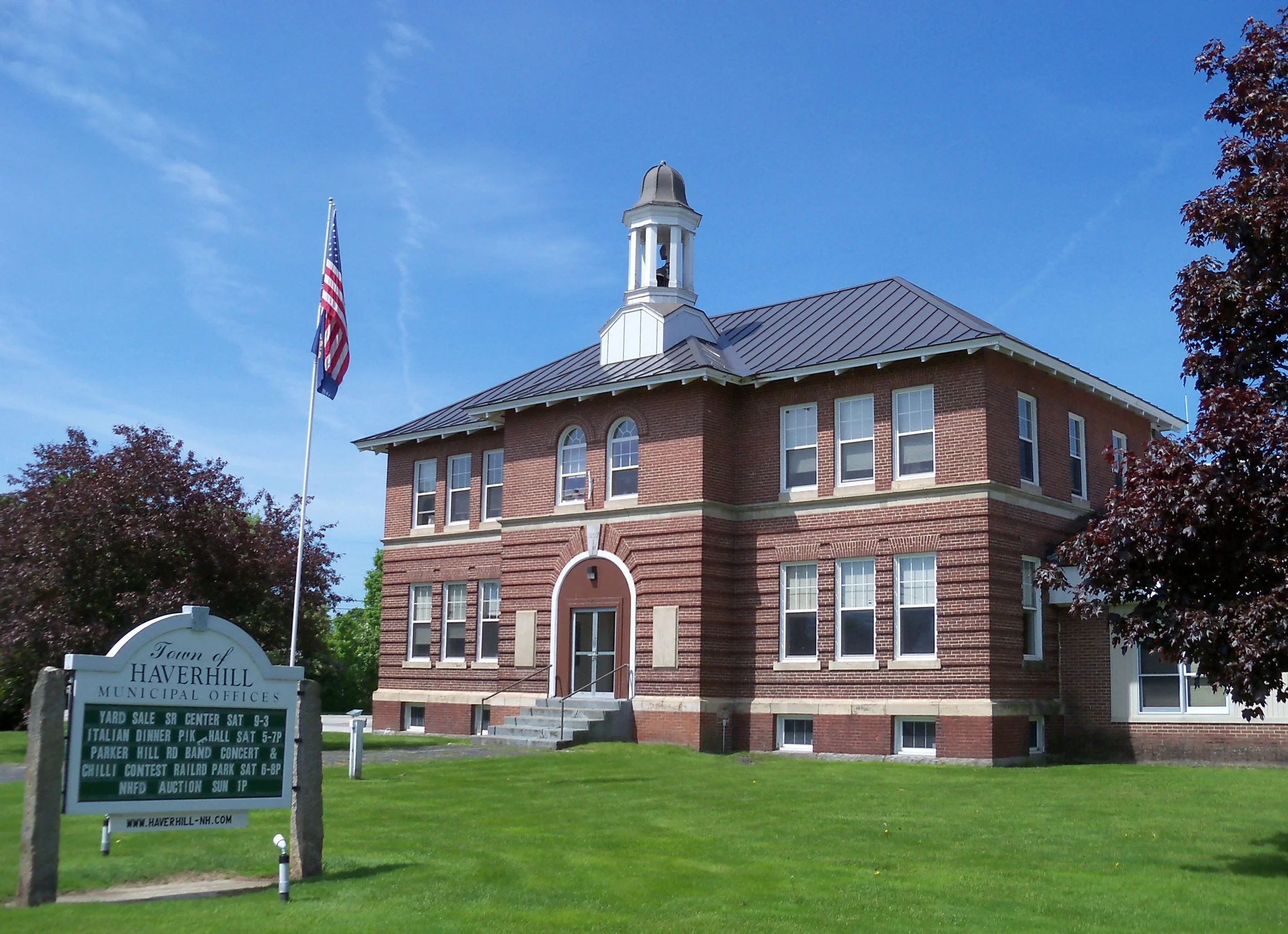
Photo by Alexius Horatius, Wikimedia Commons, CC BY-SA 3.0
The US Census Bureau has released a report which indicates that New Hampshire’s population grew by a total of 36,590 people. That is a 2.7 percent increase in the overall population statewide.
Many of the state’s smaller towns and cities and the larger locations led in municipal growth in this most recent study. Not surprisingly, the Lakes Region and White Mountains towns also experienced population increases, probably driven by retired people and remote workers moving to that region.
At the same time, growth among the state’s three biggest cities, which include Manchester, Nashua and Concord, has, according to the study, remained static over the past five years of the study. But some smaller suburbs and rural areas have seen population declines.
This uneven population shift, some say, highlights broader challenges that include the rising cost of living and increased housing costs, which probably are deterring young families from coming to New Hampshire to settle.
An interactive map that accompanied the study shows that area towns including Haverhill, had a 2020 population of 4590 people and in 2025 the population was estimated to be 4667 people. That's a population changed total of 1.7 percent upward growth.
In Bath, the 2020 population was set at 1077 and grew to 1112 through 2025, a 3.2 percent increase. In Piermont, it was a different story between the years of 2022 and 2025. There, the population reduced from 771 in 2022 to 763 in 2025 for a 1 percent decrease in current population.
For the town of Orford, the 2020 population was 1240 and in 2025 the population was estimated at 1229 for a .9 percent reduction in population. In Warren, the population was estimated at 830 in 2020 and reduced to 823 in 2025 for a .8 percent change to less population.
From 2020 to 2025 31 New Hampshire communities, including Piermont, Warren and Orford saw population declines, while 98 others grew slowly, more slowly than the state overall average. During this period 105 municipalities saw growth rates that were similar to or faster growing than the state’s average or overall rate.
And during those five years, 24 communities, which were mostly the low population townships in the northern parts of the Granite State, saw no estimated population changes during that time.
The town of Epping saw the fastest population increase among all of New Hampshire’s towns, adding about 820 residents over the five-year period which is an 11.5 percent increase. Several other communities in central New Hampshire saw some of the state’s largest percentage population gains during the years of the study from 2020 to 2025. These included Epping’s neighbors, like Brentwood, Dunbarton, Boscawen and Salisbury, and Auburn which led population gains. Lebanon, the popular economic area in the Upper Valley just below this location, saw the fastest population increase among the state’s 13 cities with Lebanon adding 1172 new residents.
The report noted that New Hampshire’s uneven population growth pointed to the fact that while more people may be moving to economic centers for employment opportunities and to certain smaller towns for those preferred and amenities, broader affordability challenges and housing constraints may slow down growth in some of the states’ larger communities.
There have been policy approaches, for instance zoning changes, aimed at increasing the availability of housing and other financial investments which could help spur housing development that would possibly attract younger families and have an influence on future population growth across the State of New Hampshire.