
Cottage Hospital celebrates Ray of Hope's 10th anniversary
The Cottage Hospital Board Room was recently filled as hospital employees and a few area state officials and politicians met to celebrate the 10th Birthday of the Cottage Hospital Ray of Hope, a specialized 10-bed voluntary, short-stay mental health unit for older adults.
Bernie Marvin
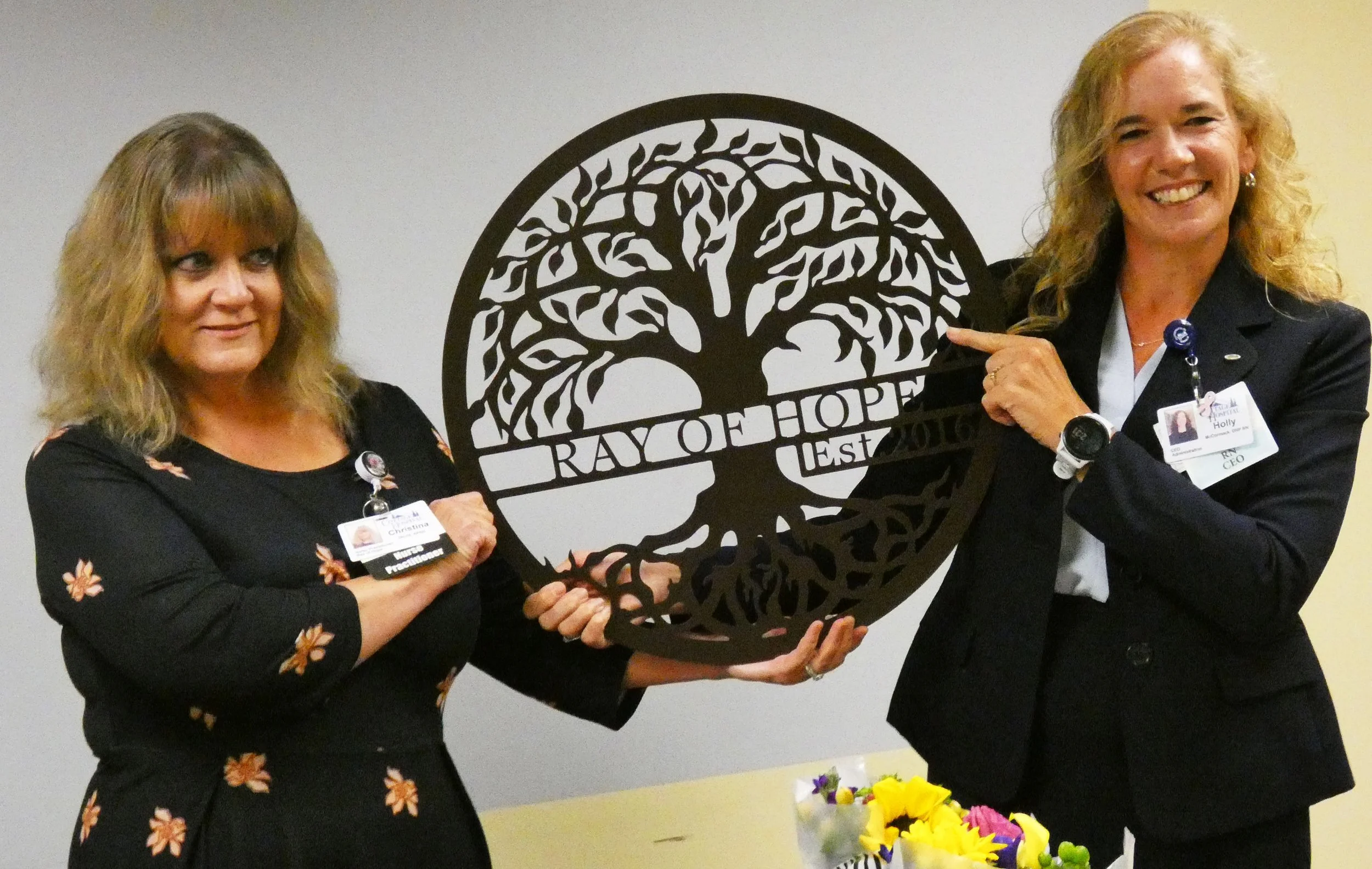
Holding a new sign for the nationally recognized Cottage Hospital Ray of Hope Elderly Unit are at left, Christina Olcott, Ray of Hope Geriatric Psychiatry Specialist and, at right, Cottage Hospital CEO Holly McCormack. The hospital observed the unit’s 10th Anniversary recently. The Bridge Weekly/Bernie Marvin.
Woodsville, NH – The Cottage Hospital Board Room was recently filled as hospital employees and a few area state officials and politicians met to celebrate the 10th Birthday of the Cottage Hospital Ray of Hope, a specialized 10-bed voluntary, short-stay mental health unit for older adults.
This vital regional resource is for patients across New Hampshire, Vermont, Maine, Massachusetts, and beyond. This Ray of Hope facility fills gaps in behavioral health for aging populations throughout the region.
The Ray of Hope has a strong history dating back to 2016. At its inception, Cottage Hospital Chief Nursing Officer Holly McCormack was asked to lead the development of this new geriatric psychiatric service.
At the unit's 10th Birthday celebration, she spoke of the program's beginning and said that when the Certificate of Need was approved, they rolled up their sleeves and got to work. At that time, she found the opportunity exciting—and a little daunting, she offered later, "because it was well outside our usual wheelhouse. We wanted to create more than a new unit; we wanted to create a place that felt safe, calm, and healing. We sought guidance from experts and visited similar units in neighboring states," Ms. McCormack said.
"We were especially fortunate that two providers already living and working in our community, Lili Cargill and Michael Cote, joined us. Ten years later, they remain an integral part of the Ray of Hope, McCormack said.
Ms. McCormack continued her remarks on the history of the Ray of Hope. "As opening day drew closer, one important question remained: What would we call this special place? We wanted a name with meaning, a name that reflected what we hoped every patient and family would find here."
"During a brainstorming session, one word kept rising to the top: Hope. Then our CEO suggested honoring Executive Councilor Ray Burton for all he has done for the North Country. In that moment, the name became clear: the Ray of Hope."
She told the audience that since the doors opened, the Ray of Hope—or, as they affectionately call it, "the Ray”—has cared for more than 1,200 individuals from 272 ZIP codes. New Hampshire and Vermont account for 97 percent of their primary service area.
North Haverhill, Whitefield, St. Johnsbury, Keene, and Woodsville are the five leading ZIP codes for referrals, followed closely by Littleton and Berlin, New Hampshire, and Rutland and Barton, Vermont.
“Our reach has extended even farther, with admissions from Massachusetts, Maine, Rhode Island, and even New Mexico. These numbers tell us something important: the Ray is rooted here in the North Country, but the need for its care reaches well beyond our immediate community,” Ms. McCormack said.
Ms. McCormack said that women have represented 66 percent of the patients served on the Ray, and the average length of stay is currently 16.9 days. In 2026, 33.7 percent of Ray of Hope patients were discharged to their homes. Each of those numbers represents a person—and a family—moving toward greater stability, independence, and hope, she said so eloquently in closing her comments about the Ray of Hope.
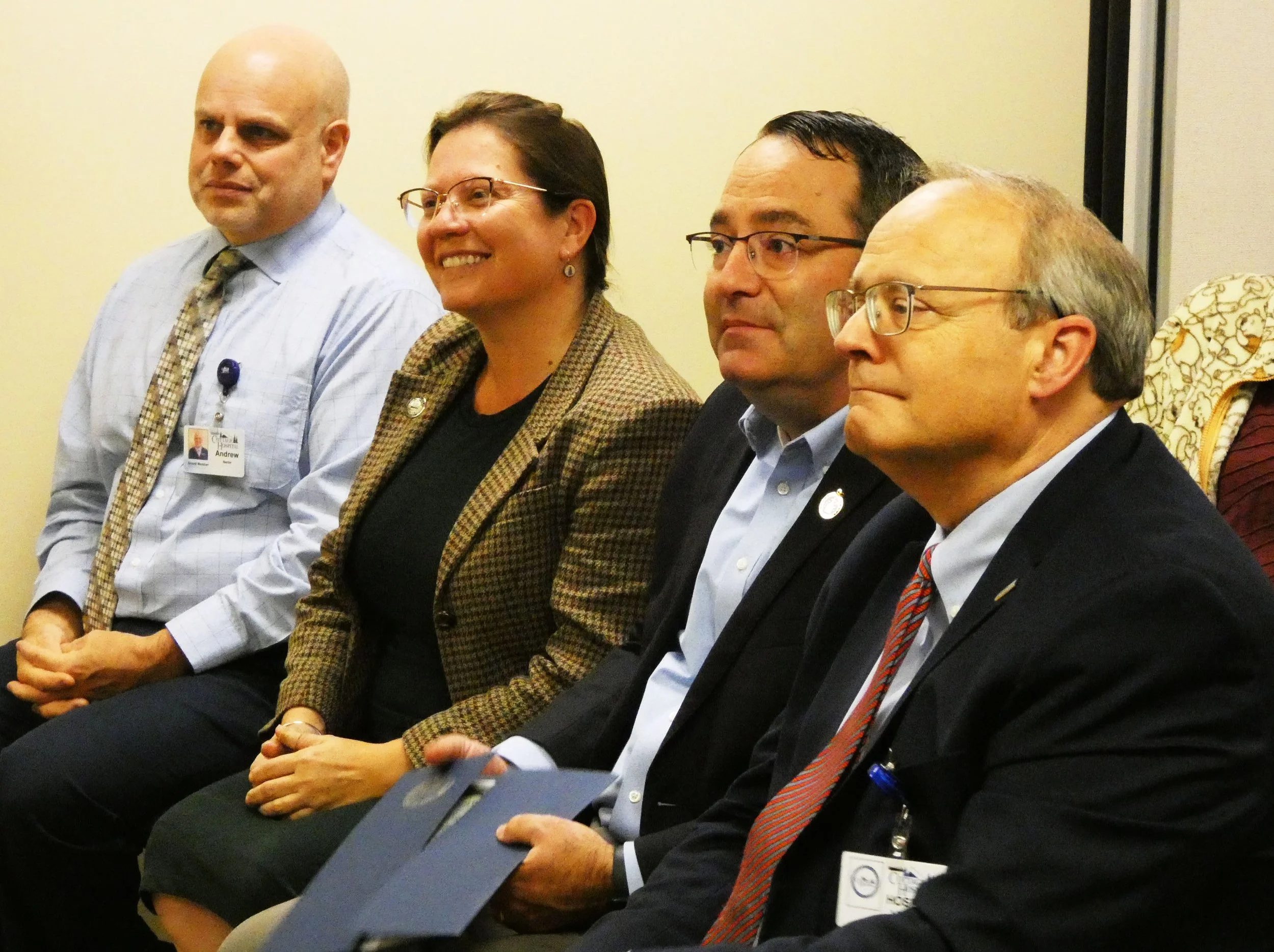
Local leaders attending the recent Ray of Hope 10th Anniversary celebration at Cottage Hospital were, from left to right, Little Rivers Health Care CEO Andrew Barter, NH Executive Councilor Karen Liot Hill, NH State Senator David Rochefort, and NH Hospital Association Steve Ahnen. The Bridge Weekly/Bernie Marvin
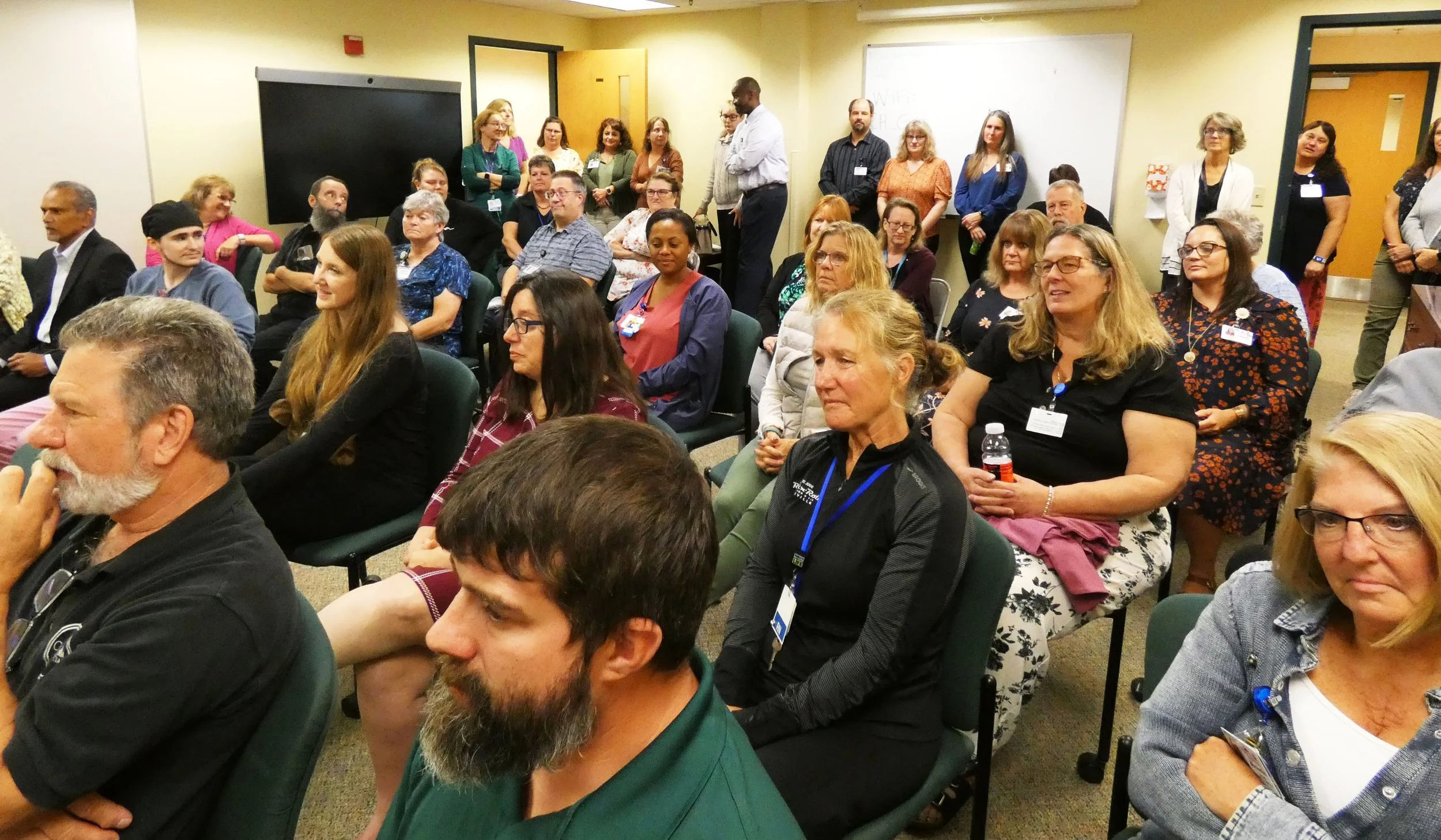
Helping celebrate the Cottage Hospital Ray of Hope 10th Anniversary were these spirited hospital employees, who turned out to hail the event that put the revered name of the late Executive Councilor Raymond Burton on the nationally recognized elderly care unit. The Bridge Weekly/Bernie Marvin
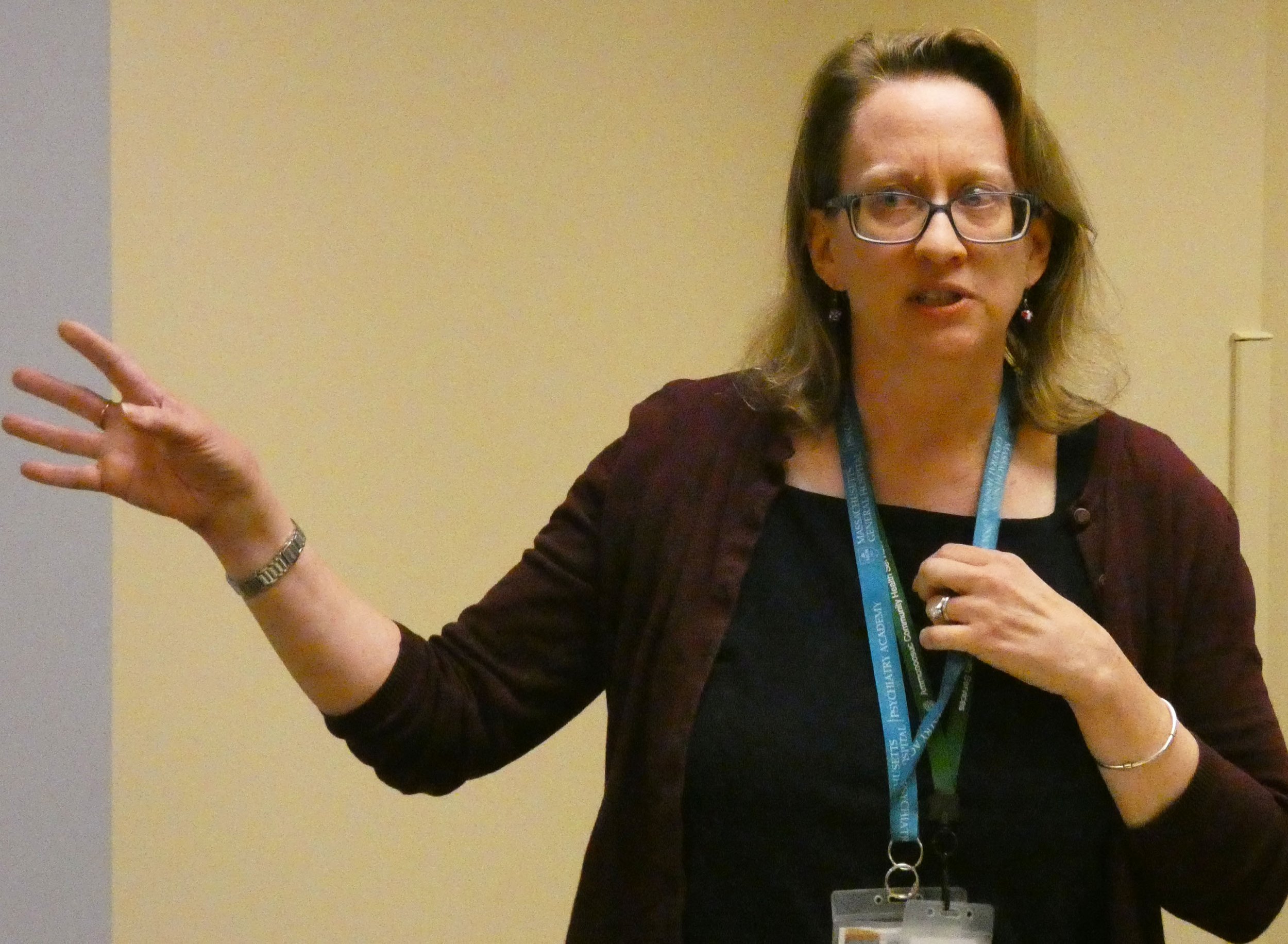
Lili Cargill, Psyche-NP from the Cottage Ray of Hope, speaks during the unit's recent 10th anniversary celebration at Cottage Hospital. The Bridge Weekly/Bernie Marvin
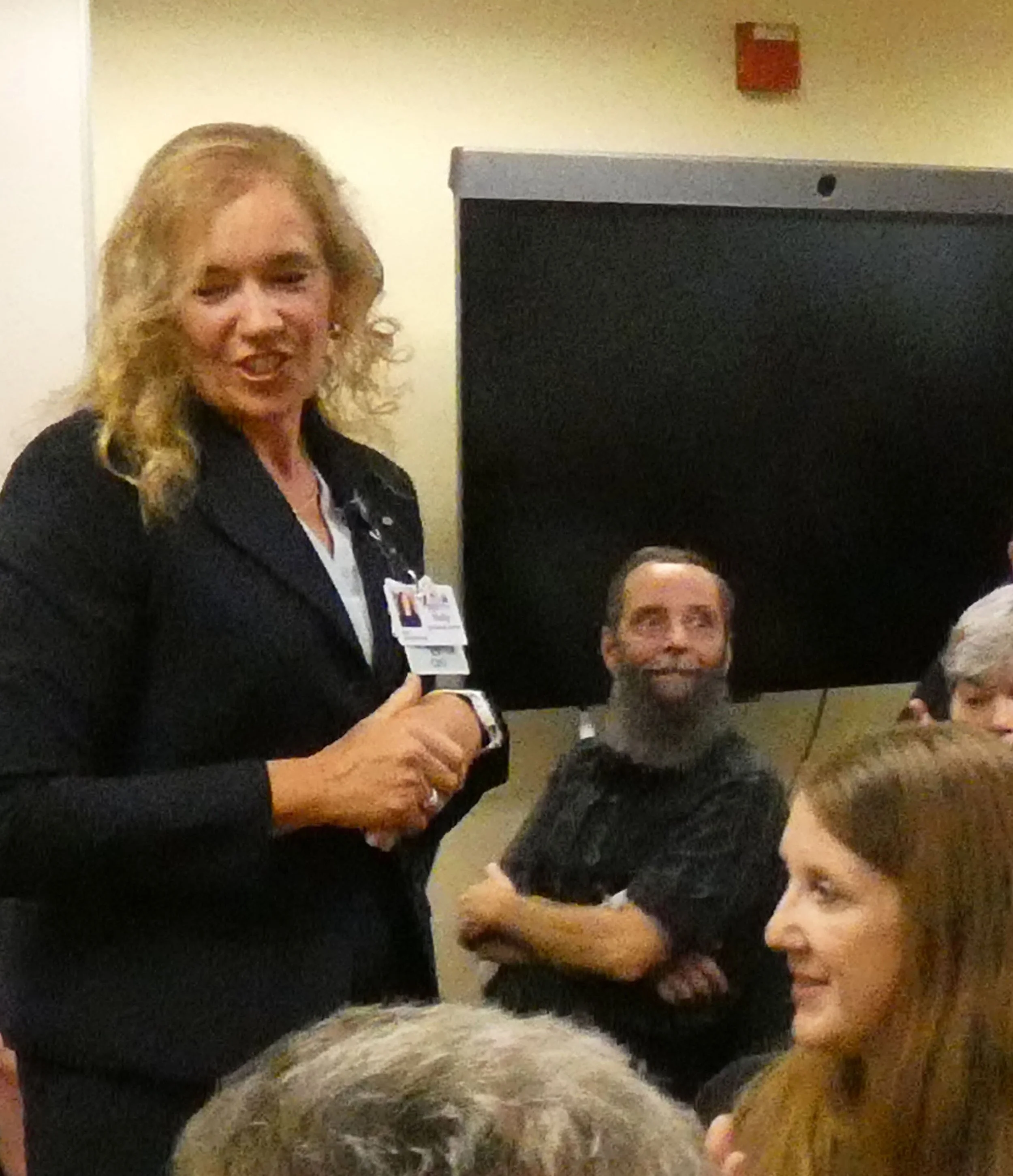
Cottage Hospital CEO Holly McCormack speaks to the importance of the hospital's Ray of Hope elderly unit and care program. The program gained national prominence for its care standards and was named to Becker's Healthcare 2024 list of "Hospitals and Health Systems With Great Psychiatry and Behavioral Health Programs." The Bridge Weekly/Bernie Marvin
Little Rivers Health Care looking at strong 2027
Little Rivers Health Care of Vermont reported a strong 2026 and a positive outlook for 2027. The organization shared the news this week during its Annual Meeting celebration, held at several nearby venues in Wells River. Attendees at the busy afternoon and evening presentation saw the completion of a major capital campaign and considerable facility modernization across its rural network.
Bernie Marvin
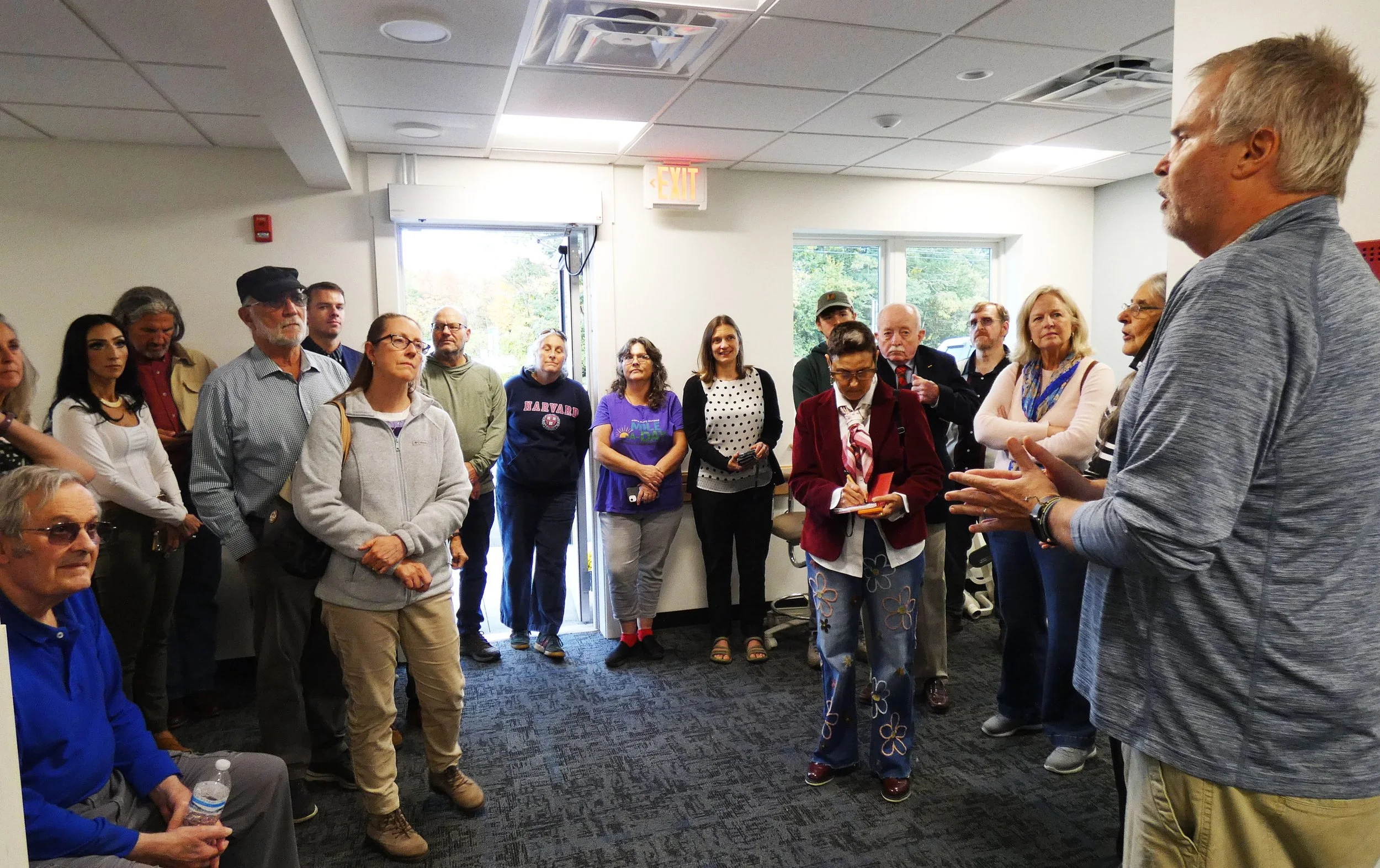
Director of Facilities at Little Rivers Health Care, John Vose, at right, directs a tour of the building that will house a new dental and pharmacy area in Wells River. The tour was part of the Annual Meeting sessions last week. The Bridge Weekly/Bernie Marvin
Wells River, VT – Little Rivers Health Care of Vermont reported a strong 2026 and a positive outlook for 2027. The organization shared the news this week during its Annual Meeting celebration, held at several nearby venues in Wells River.
Attendees at the busy afternoon and evening presentation saw the completion of a major capital campaign and considerable facility modernization across its rural network.
Despite the usual healthcare pitfalls such as lack of adequate staff, workforce housing, and rising costs, Little Rivers Health Care, a federally qualified health center, remains stable and is unlocking several exciting activities across its work areas.
Interior construction at the Whitney Rowe Clinic in the heart of Wells River is nearly complete, with a major expansion from the days when Dr. Harry Rowe and his wife, Mary, began the long history of their medical office in the front room of their home at 65 Main Street.
Dr. Rowe had just returned from his heroic medical officer duties during World War 2, and through the early lean years of the clinic, the Rowes worked seven days and nights a year to keep the outstanding success of their efforts afloat so that, over the next 80 years, this giant of a medical miracle for this rural country region survived.
The Rowes are gone now, but their work lives on. That was evident at last week's Annual Meeting, as CEO Andy Barter spoke to the overflowing room at the Wells River Congregational Church (where a wonderful dinner was served) and shared the good news of Little Rivers Health Care's successes in several areas.
The Whitney Rowe Clinic has been expanded, with new accessible exam rooms to accommodate patient growth. Also, in September 2026, Little Rivers Health Care invited bids to further modernize its Bradford, Newbury, and Wells River Health Centers, funded through Vermont Rural Health programs.
Another project, this one nearly next door to the Rowe Clinic in downtown Wells River, is to be a modern dental clinic, born from an old, dilapidated building, standing as an environmental disaster from its early years of gasoline and motor oil storage, which was an eyesore for many years, has undergone an amazing refurbishment that casts Wells River as the handsome place it has always been despite the slice of blight on the southern end.
Prior to the public opening of the new dental/pharmacy building, The Bridge Weekly was escorted for a walk through to experience the entire building with an explanation of rooms and equipment for each individual area and function of the new building. The tour was directed by John Vose, Director of Facilities, Risks and Infrastructure for Little Rivers Health Care.
Little Rivers Health Care took ownership of the property and is converting it into a handsome pharmacy and dental office building, which was opened for a tour by annual meeting attendees.
The combined building, to be known as River Hub Pharmacy, will offer a host of services, providing the public with a local place to refill and pick up prescriptions, use mail-order options, and access a pharmacy that will allow patients to coordinate care with their medical providers.
The building will also include a dental care facility focused on preventive and restorative services and expanded food-access programming through its Food Farmacy, a place for food prescriptions for good health.
Also, up and running was the Little Rivers Health Center's Healthy Weight Solutions, launched earlier this year as a program that introduces evidence-based medical weight management and lifestyle medicine.
The Food Farmacy, located at the new River Hub Pharmacy, partners with Willing Hands and has provided its "produce by prescription" program to serve nearly 100 chronic illness patients, routing 600 to 1,000 pounds of fresh produce weekly.
Little Rivers Health Care CEO Andy Barter offered the following comments to The Bridge Weekly relative to the Annual Meeting and Report.
Reflections on the annual meeting and our successes:
The evening was a meaningful celebration of twenty years of Little Rivers, with the strongest annual meeting attendance I can recall. It was an opportunity to recognize the people who helped establish Little Rivers and the staff, board members, patients, and partners who continue to carry that vision forward.
Our recent accomplishments include the Whitney-Rowe Clinic expansion, with nine additional exam rooms, and the new Health Access & Dental Center, which creates space for expanded dental services and our future pharmacy. We have also continued to strengthen behavioral health services in our clinics and schools, care at home, and nutrition support through the Food Farmacy.
Over the past five years, we have increased our medical provider roster by 27%, from 11 to 14 providers, expanding the resources available to meet our patients’ needs. Continued recruitment builds on that growth and supports our commitment to reliable access and continuity of care.
In 2025, Little Rivers served 7,350 patients and provided 47,390 visits, nearly 6% more visits than the previous year. Our renewed Patient-Centered Medical Home recognition and improved financial performance provide a stronger foundation for the work ahead.
Looking ahead to 2027
We see 2027 as a year of putting significant new investments into action. Little Rivers has received more than $3 million across four first-year Rural Health Transformation awards supporting care transformation, facility improvements, mobile healthcare, and pharmacy-based test-to-treat services.
We are also growing the breadth of services available to our patients. Healthy at Home brings care into patients’ homes, while our Food is Medicine work and Food Farmacy connect nutrition support with clinical care. Healthy Weight Solutions and our Healthy Movement Program offer additional ways for patients to improve their health, including digital and home access. We continue to provide integrated behavioral health and substance use disorder treatment, while preparing to expand dental care and open our pharmacy.
Through the RIVER Community Health Network, we plan to connect these services more closely with our clinics, community partners, and new mobile services in communities including Groton. This will help reach people who face transportation barriers or have difficulty accessing care in a traditional clinic setting.
Alongside continued recruitment and workforce development, these efforts reflect a broader vision for rural healthcare: caring for people in our clinics, homes, schools, and community settings, with services that address both medical needs and the everyday conditions that influence health.
River Hub Pharmacy opening
The pharmacy space is built, and we are working through licensing, staffing, and the remaining operational preparations. Recruiting a pharmacist-in-charge is a key step. We do not yet have a confirmed opening date, but we will share one as soon as those requirements are in place.
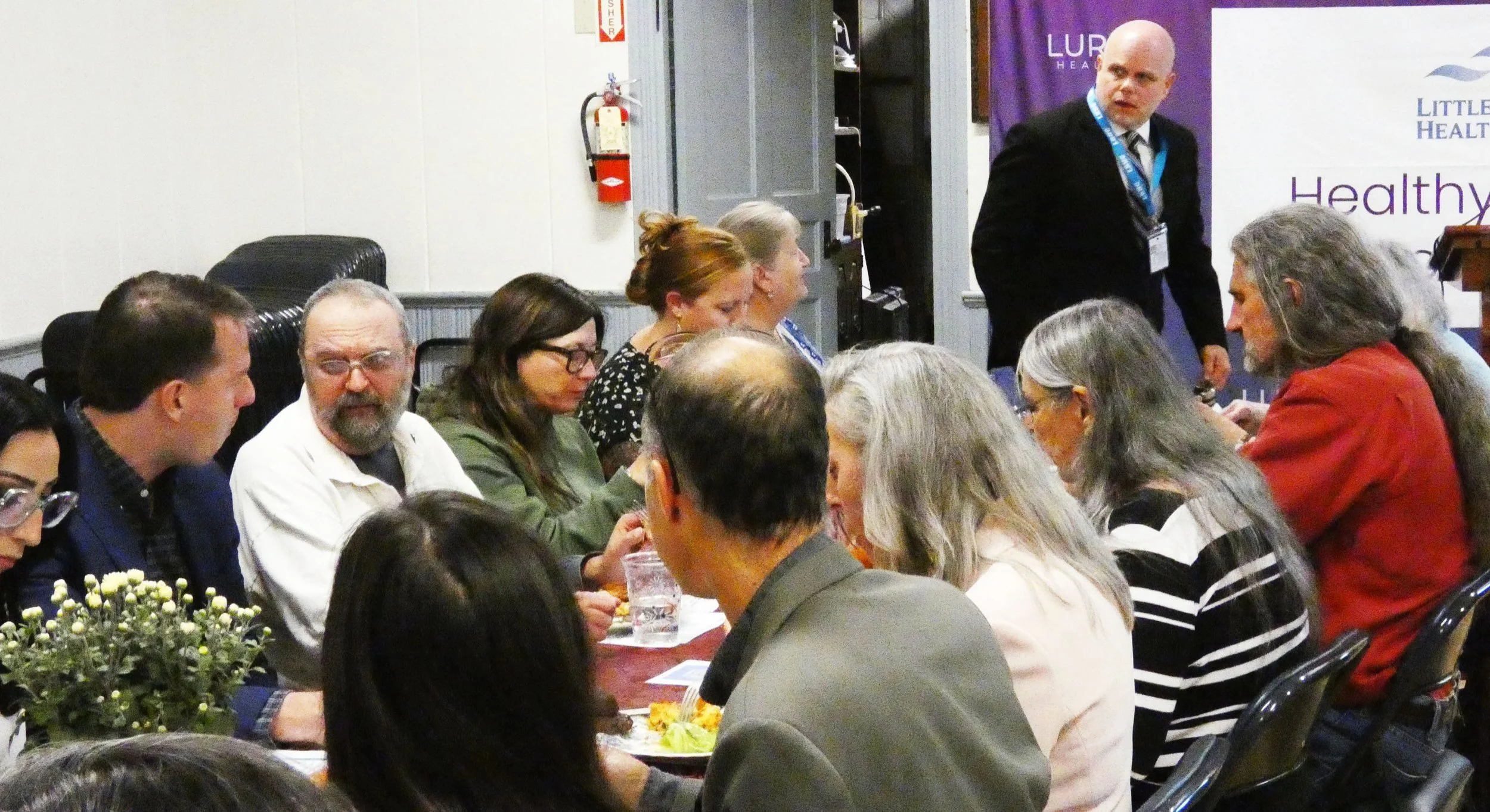
A dinner was served to attendees during the Little Rivers Health Care Annual Meeting held last week in Wells River. Standing at right is the organization’s CEO, Andy Barter. The Bridge Weekly/Bernie Marvin.
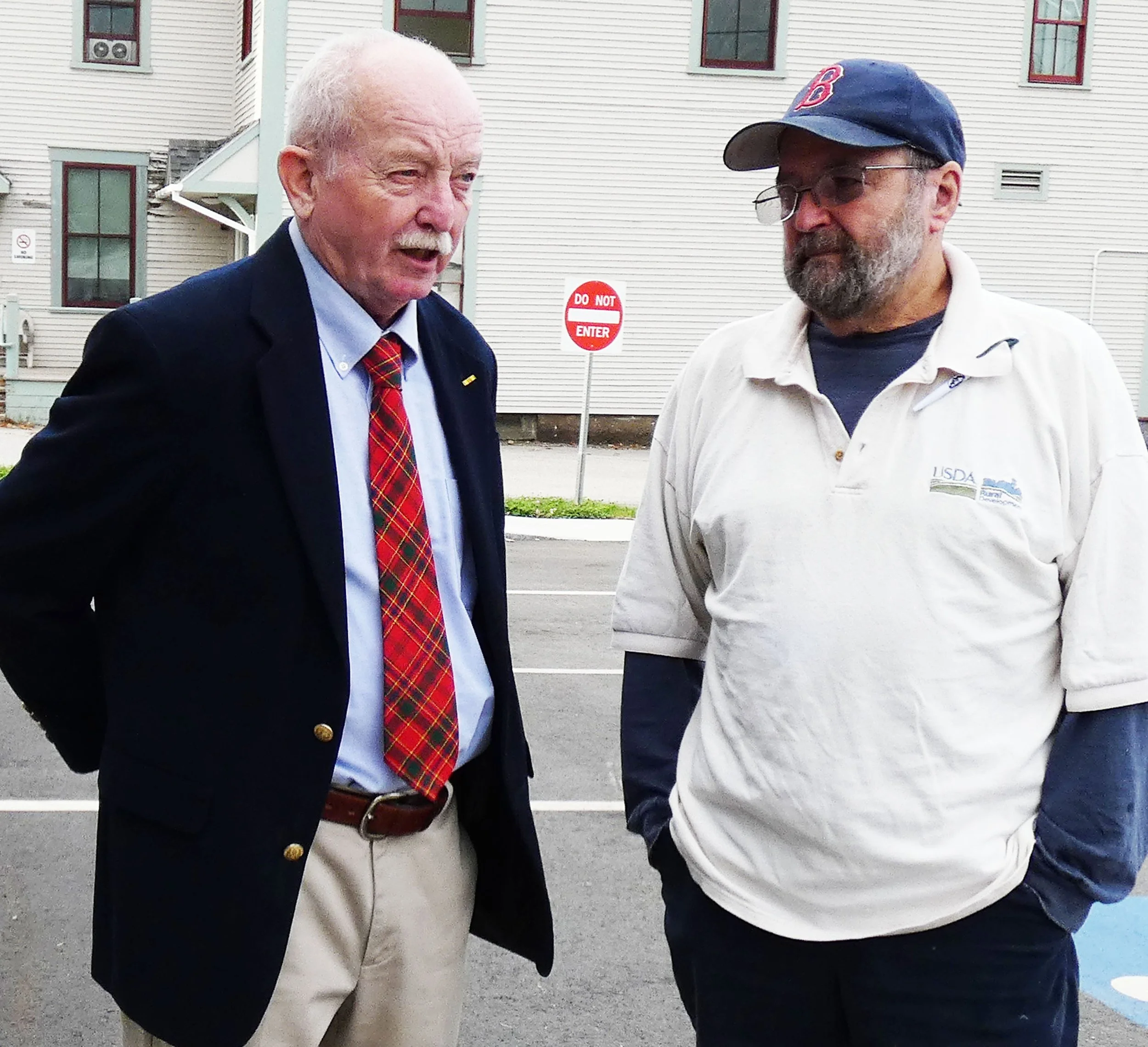
The Bridge Weekly Outdoor Writer Gary Moore chats with well-known Wells River Municipal Official Richard Roderick after attending a tour of the new dental and pharmacy building during the Little Rivers Health Care Annual Meeting. The Bridge Weekly/Bernie Marvin.
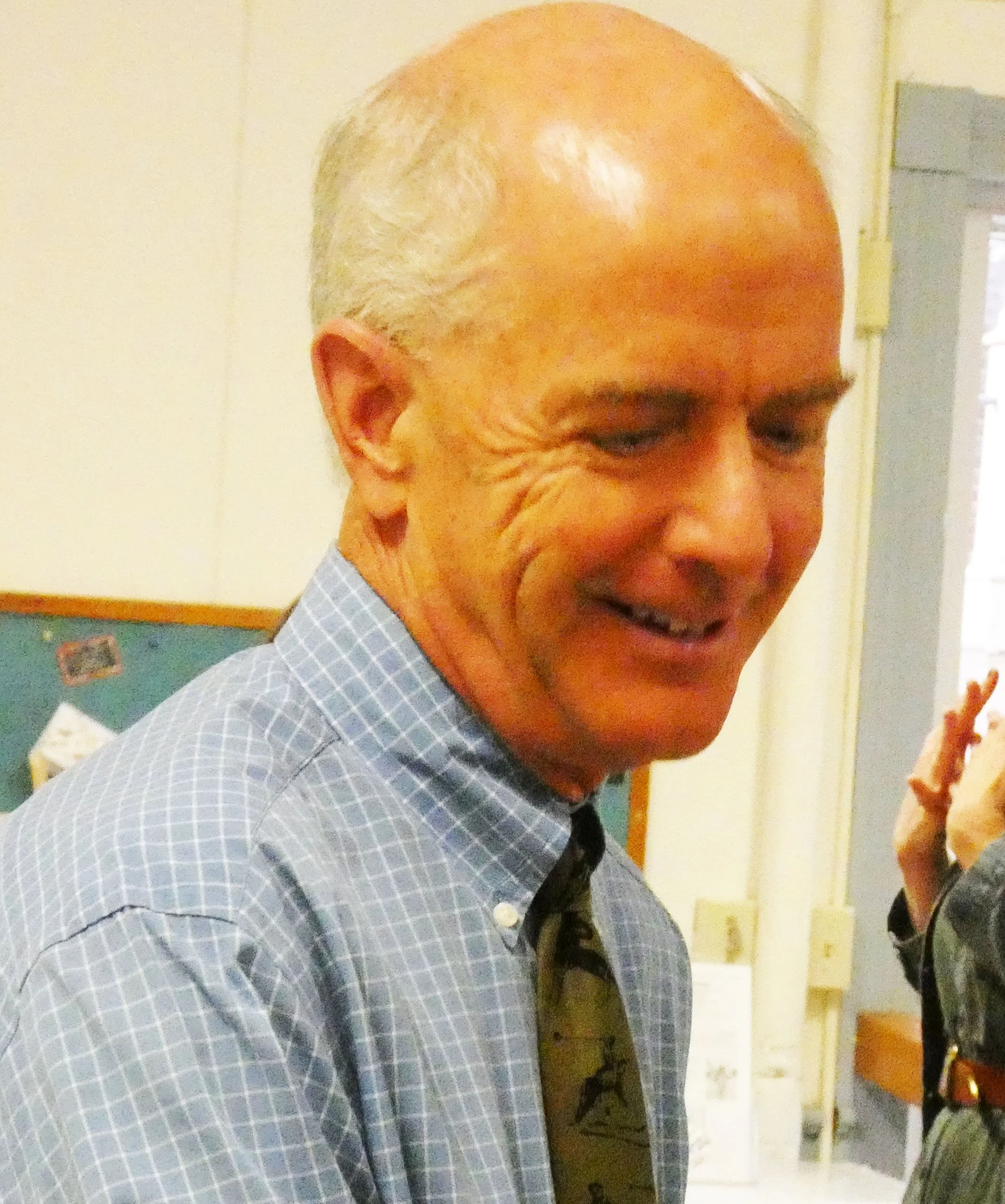
Attending the Little Rivers Health Care Annual Meeting held last week in Wells River was Stephen Genereaux MD, a physician at the Rowe Clinic. The Bridge Weekly/Bernie Marvin
Dr. Harry and Mary Rowe's Wells River Clinic is now in its historic 80th year!
Little Rivers Health Care CEO Andrew Barter said that the Dr. Harry Rowe and Mary story on their bold plan of setting up the original Wells River Clinic after he returned from his difficult war service is a wonderful story.
By Bernie Marvin
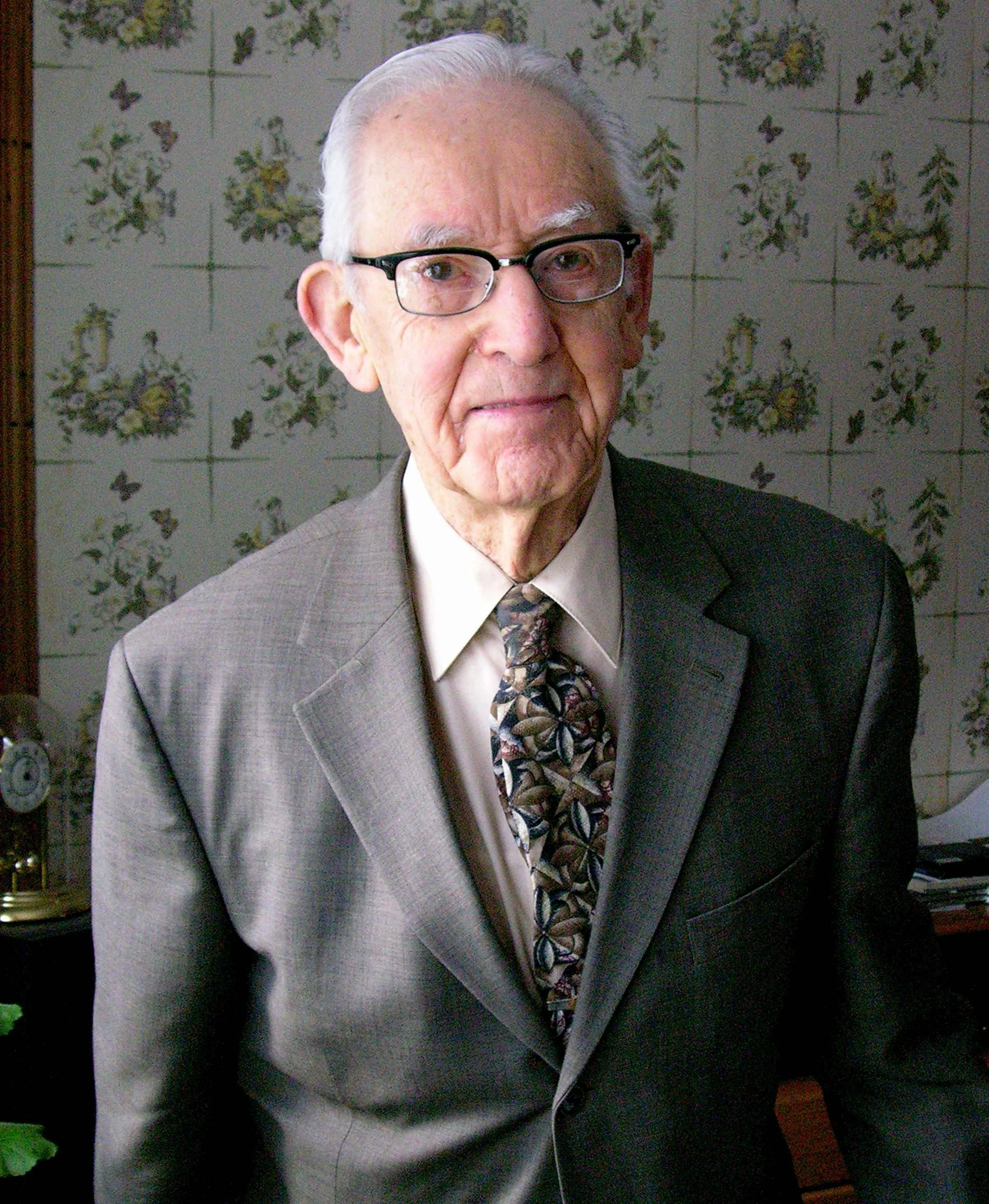
Dr. Harry Rowe, photographed in 2000 at his original office of the Wells River Clinic, founded by him in 1946 after his return to the area from his US Army medical officer assignments during World War 2. The Wells River Clinic was the foundation which grew into today’s Little Rivers Health Care, with medical offices in Wells River, East Corinth, Bradford and Newbury. The Bridge Weekly file/Bernie Marvin
Wells River, VT - The Wells River Clinic, now part of the Little Rivers Health Care (LRHC) with offices in East Corinth, Bradford, Wells River, and Newbury, was founded by a Vermont country doctor who had fought in World War 2 and returned to Vermont to continue to take care of the sick and injured in the Green Mountain state he loved. Dr. Harry Morrison Rowe was born in nearby Peacham in 1912. He graduated from Peacham Academy in 1930 and from the University of Vermont in 1936 with his bachelor's degree. While studying at UVM, he met and married Mary Whitney in 1940, and he earned his medical degree in 1943. The popular couple raised a family of six children: David, Betsy, Susan, John, Alan, and Jane. With World War 2 raging, Harry joined the 78th Infantry Division, was promoted to Captain, and assigned to the 303rd Medical Battalion. He eventually served as a Battalion Medical Officer during the furious fight for American troops to enter Germany and bring the war to a close. During his military service, Dr. Rowe served in Texas, Virginia, and West Virginia. Also overseas in England, France, and Germany. Dr. Rowe was awarded a Bronze Star for his service at the Bridge at Remagen over the Rhine River, a battle that lasted 18 days. Americans held their positions at the bridge crossing that, surprisingly, had not been destroyed. The furious fighting in and around the crossing location hastened the American entry into Germany by three weeks. Throughout his 15-month deployment and combat duty, he and his wife, Mary, wrote letters to each other every day. Upon Mary's death in 2002, those precious letters were discovered and read again by Dr. Rowe. These letters, written over the long time she waited for the war's end, and Dr. Rowe's fight in Germany until the war's completion, inspired him to compile them into a personal memoir. Local Vermont authors Terry Hoffer and Beth Champagne collaborated with Dr. Rowe to write and publish a book in 2009 about the letters between Dr. Rowe and his wife, Mary. The book sold well locally because of interest in these two people, who were heavily involved in their community of Wells River and the surrounding towns. The book was published by Athenaeum Press in St Johnsbury. The bulk of Dr. Rowe's life's work up until that time, along with oral histories, tapes, and other researched materials used in the production of the book, is now preserved in the Harry M. Rowe Collection at the Vermont Historical Society. In April 1946, Dr. Rowe and thousands of other service personnel who had served in Europe during the war went home to be with their loved ones. As Harry told it, "I came back to New York by ship," he said, then we were transferred to Boston by train. Mary met me in Boston. Words cannot describe how glad I was to be back in the United States and finally home on leave. We stayed in a rooming house in Boston for a day or two and then went to see friends in New York. A few days later, we headed for Vermont and home in Burlington." According to comments by Little River Health Care Physician, Dr. Steve Genereaux, Dr. Harry and Mary Rowe, with no colleagues and little actual training in rural primary care medicine, settled in Wells River along with their two-year-old son, David. In 1946, they set up a small medical practice in their home, which they purchased just south of Jock Oil on Route 5, which was, at a later time, Attorney John Morale's law office. They started seeing patients in their front room. Later, as the practice grew, they moved to the present larger site of the Wells River Clinic, now Little Rivers Health Care, at 65 Main Street in 1952. During that time, Harry reported in his book, The Grass Grew Greener, "that Mary and I were running the office pretty much alone. She had given up playing the violin with the Vermont Symphony to help. She was doing the bookkeeping, and I showed her how to do some of the lab work. I was seeing patients, and she would come, if necessary, that is, if I was doing a female exam. It became quite a busy practice. Mary was actually my nurse, secretary, cook, assistant, lab girl, and housekeeper." In 1962, Dr. Rowe officially launched his Wells River Clinic with the philosophy of "Anyone who needs to be seen will be seen," meaning that if someone did not have funds for medical services, they still received them from Dr. Rowe. Dr. Elizabeth Berry joined the practice soon after that. She was the first female physician to practice in the area and remained at the clinic until she retired in 1992. She would be seen frequently throughout the area with her husband, Dr. Kenneth Berry. This loving couple presented Wells River with what is now Berry Park, a large grassy area just outside the village, on the south side of Route 5. Dr. Rowe's son, John Edward Rowe, MD, joined his father at the clinic after finishing his medical residency. He practiced with his father for more than 10 years, relocating to North Carolina in 1992. Dr. Rowe was a traditional Vermont country doctor, practicing his medicine with house and office calls, working weekends and nights. He was also the sought-after on-call physician for the nearby Grafton County Nursing Home in North Haverhill. He was very proud to have delivered more than 1,400 babies throughout the area. Dr. Rowe practiced full-time for more than 60 years, finally retiring in 2006 at the age of 93. After that, he continued to lead a busy life, serving others in many capacities and organizations. He passed away in 2012, just short of his 100th birthday. To ensure that the area continued to receive quality medical care, as it had for so many years since the establishment of the Wells River Clinic, others have joined the effort to keep the business going. Dr. Rowe's son, Dr. John Rowe, joined the clinic with his father in 1982, was joined by Dr. Fay Homan in 1993, and, shortly thereafter, Dr. Steve Genereaux came aboard. This added depth to the ranks at the Wells River Clinic and allowed Dr. Harry to step back a bit. According to Dr. Genereaux, in 2006, the business transitioned from the Wells River Clinic to Little Rivers Health Care, and over the past 20 years, offices have been established in Bradford, East Corinth, and at Cottage Hospital in Woodsville. Community members such as Al Stevens, Dr. Sarkis, Harry Rowe, Reverend Jane Wilson, and others submitted grant applications to the federal government so that the three offices could come together for the inclusive medical practice. This action took all of three years and finally included offices in East Corinth, Bradford, Wells River, with another building in Newbury on Route 5, and a new large addition constructed at the Wells River site. This allowed the practice to include behavioral health, plus at a fifth location in downtown Wells, River at the former site of Jiffy Mart, a dental office that will soon include a dental hygienist and eventually, a dentist. LRHC owns all five buildings and the grounds involved in this expansion of what was once a small medical practice established 80 years ago in Dr. Harry and Mary Rowe's living room. As for the new space recently constructed in the Wells River Clinic building, Dr. Genereaux told The Bridge Weekly in a subsequent interview, "Having the extra space here is great." He said there are six personnel working at the clinic, three or four days a week. He said that upstairs in the new wing, behavioral health staff, social workers, and counselors are tending to patients. He noted that the staff upstairs is just as busy as on the first floor. "Over time," Dr. Genereaux said, "we have seen the number of patients here slowly climb." He said that, from an economic viewpoint, the community's salaried jobs for our 90 employees approach the budget numbers of the nearby Blue Mountain Regional School district at about $13 million. Comments from friends and residents of the area about the Wells River Clinic indicated that Dr. Rowe and Mary Rowe, together, were really community-minded and would be at the clinic, along with their first clinic nurse, Betty Minot, to answer every phone call, no matter the time of day or night. They were all there to meet community needs. Mary was eventually named director of the North Country Chorus. She was teaching at the Wells River School, giving music lessons and taking care of the growing family. As Dr. Genereaux said, if anything happened in the community and help was needed, the Rowes were usually the first to know and first to be there to help. Relative to the importance of what was begun 80 years ago by Dr. Rowe and his beloved wife, Mary, is well acknowledged by Madison Culver, a staff member of the Wells River Clinic, which remains an important part of the Little Rivers Health Care organization. She told The Bridge Weekly that: “As a nurse practitioner at the Wells River Clinic, I have seen firsthand the vital role Little Rivers Health Care plays in our community. Having grown up in the North Country and living with a chronic illness myself, I understand the challenges many of our patients face in accessing quality healthcare close to home. One of the things I value most about the Wells River Clinic is our ability to provide comprehensive, evidence-based care locally. Our patients deserve the same high-quality care they would receive at a larger academic medical center, without the burden of traveling long distances. Whether managing chronic conditions, addressing acute illnesses, or focusing on preventive care, we are able to partner with patients to help them achieve their health goals in the community they call home. What makes Little Rivers Health Care especially unique is the breadth of support available under one roof. In addition to primary medical care, patients have access to behavioral health services, case management, a food pharmacy, and other resources that address the social and economic factors that influence health. This integrated approach allows us to care for the whole person, not just their medical condition. I am proud to be part of an organization that has served this community for 80 years and continues to meet the needs of rural Vermonters. -Madison Culver, APRN, FNP-C The influence and community appreciation and love for Dr. Rowe extended well out of the Wells River locus, indeed to the east and across the Connecticut River in Woodsville, his many years of devoted duty at Cottage Hospital while serving a growing community in Vermont, led to Cottage Hospital to name a new medical office building across Swiftwater Road from the Cottage campus as the Rowe Health Center. Little Rivers Health Care CEO Andrew Barter said that the Dr. Harry Rowe and Mary story on their bold plan of setting up the original Wells River Clinic after he returned from his difficult war service is a wonderful story. He said it was typical of community-centered Dr. Harry Rowe who had returned home from fighting a world-wide war and who immediately set his mind to taking care of folks at home through strong community service. Mr. Barter said that Dr. Rowe and his wife “cast the foundation for what is now a health system for the entire area, something that is needed for everyone was his vision of 80 years ago.” He noted that some of the dedicated clinicians who worked with the Rowes are still with the medical practices set up so many years ago, citing the long and dedicated service of Drs. Stephen Genereaux and Fay Homan. “The Rowe’s home in Wells River still provides a base for medical services,” he said in a recent interview. He noted that what the Rowe’s did in serving their community is inspiring “for us today. Their dedication lives in lots of ways, and it can be seen and experienced by so many.” The Little Rivers Health Care organization took three years to become a federally qualified health center, Mr. Barter said, being founded by Drs Genereaux and Homan. “The strength in that beginning was right in Wells River. It is an important part of the area’s history and the legacy of the Rowe family and others who were part of it as it grew over the past 80 years.” “For myself and many others, it is a privilege to be a part of this story, Mr. Barter said.”
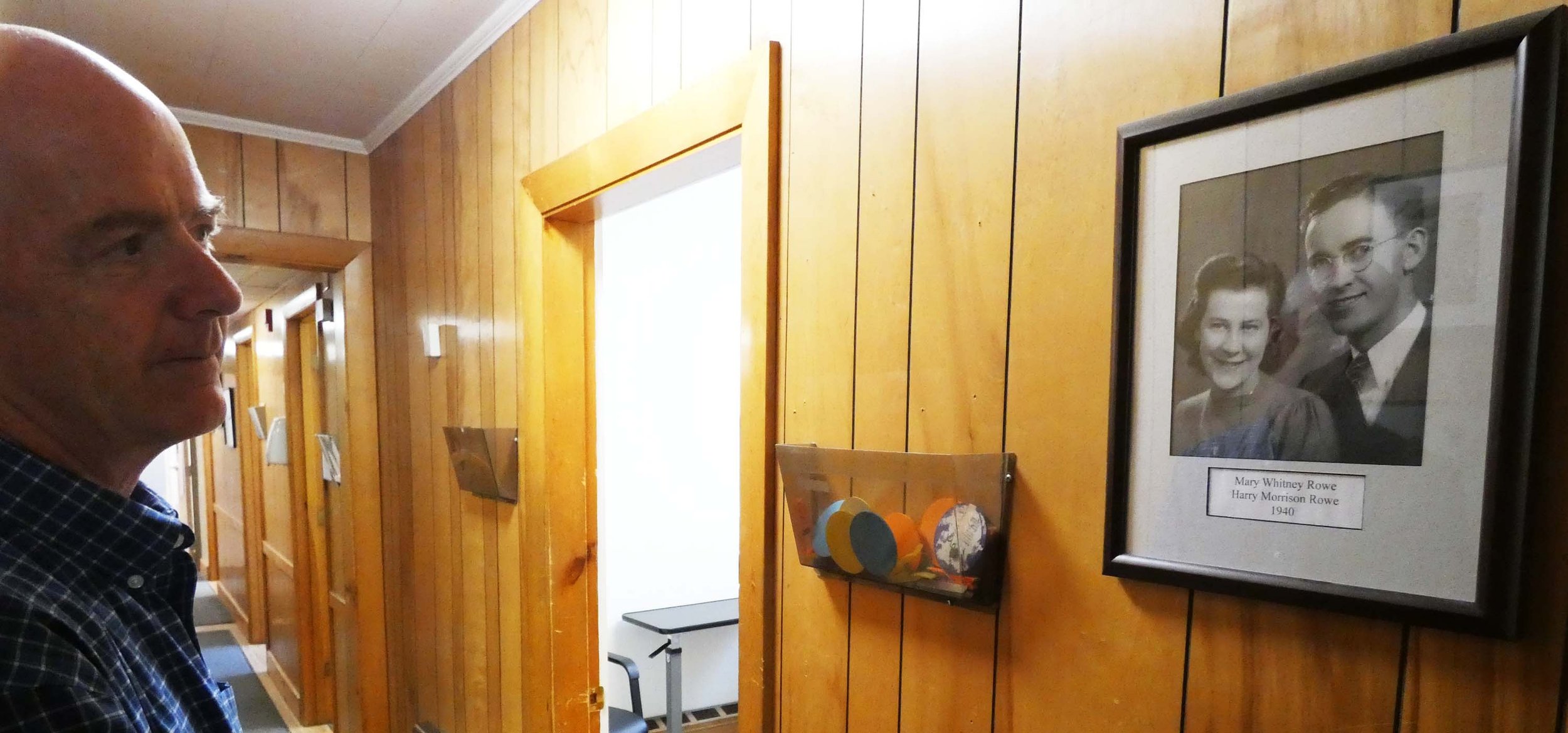
Dr. Stephen Genereaux observes a 1940 photo of Dr. Harry Rowe and his wife, Mary Rowe. The photograph is part of a historic display of photos that is dedicated to the history of the 1946 founding of the Wells River Clinic that is part of the present Little Rivers Health Care organization. The building is on Main Street in Wells River Village. The Bridge Weekly/Bernie Marvin.
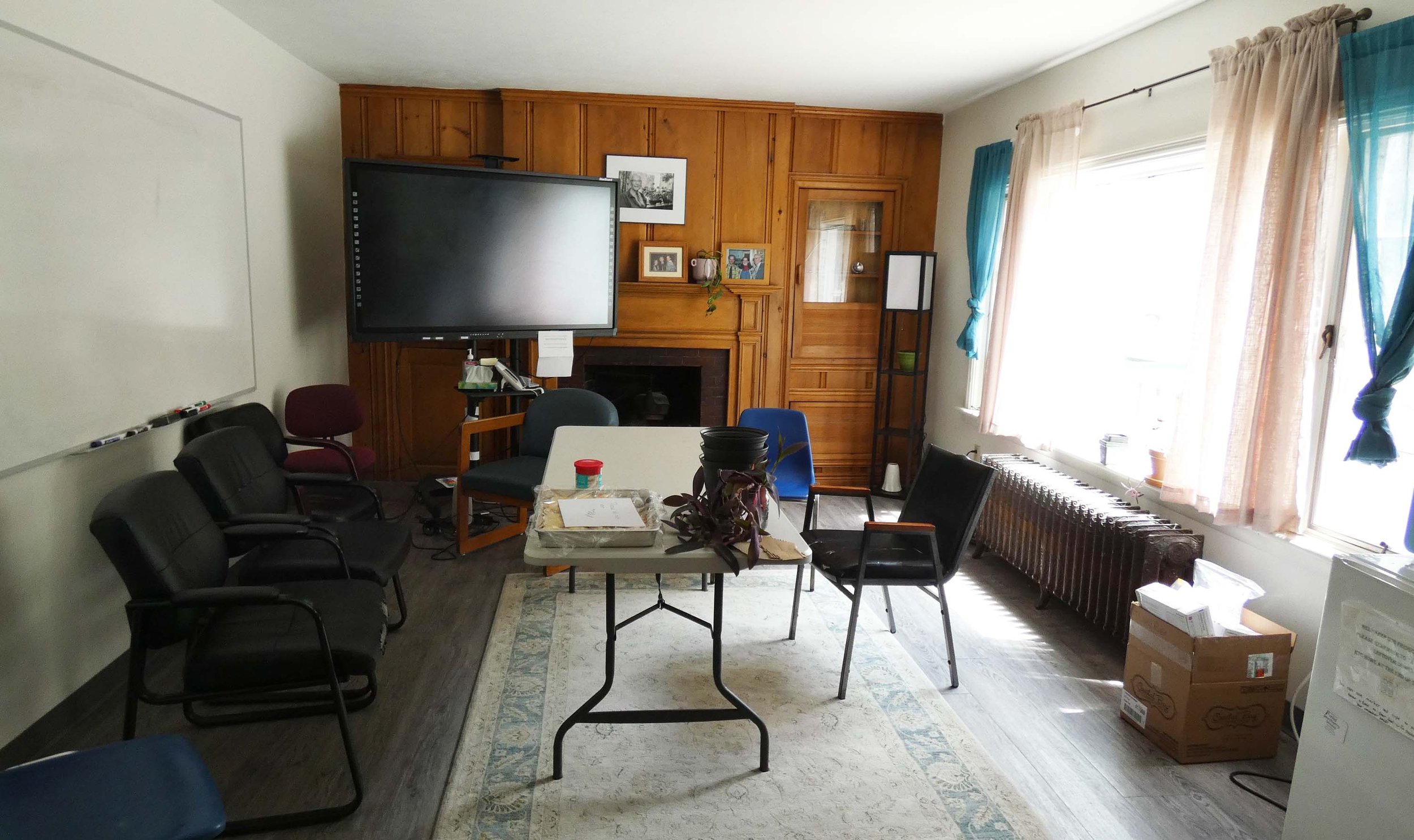
The main living room in the Dr. Harry and Mary Rowe home in Wells River Village as it is seen today. It was preserved when renovations were made to convert the home from a private residence and doctor’s office of the Rowe family to one of the medical buildings of Little Rivers Health Care. Although it is a meeting room, it appears much as it did in 1946 when the Wells River Clinic was founded by Dr. Rowe. The Bridge Weekly/Bernie Marvin
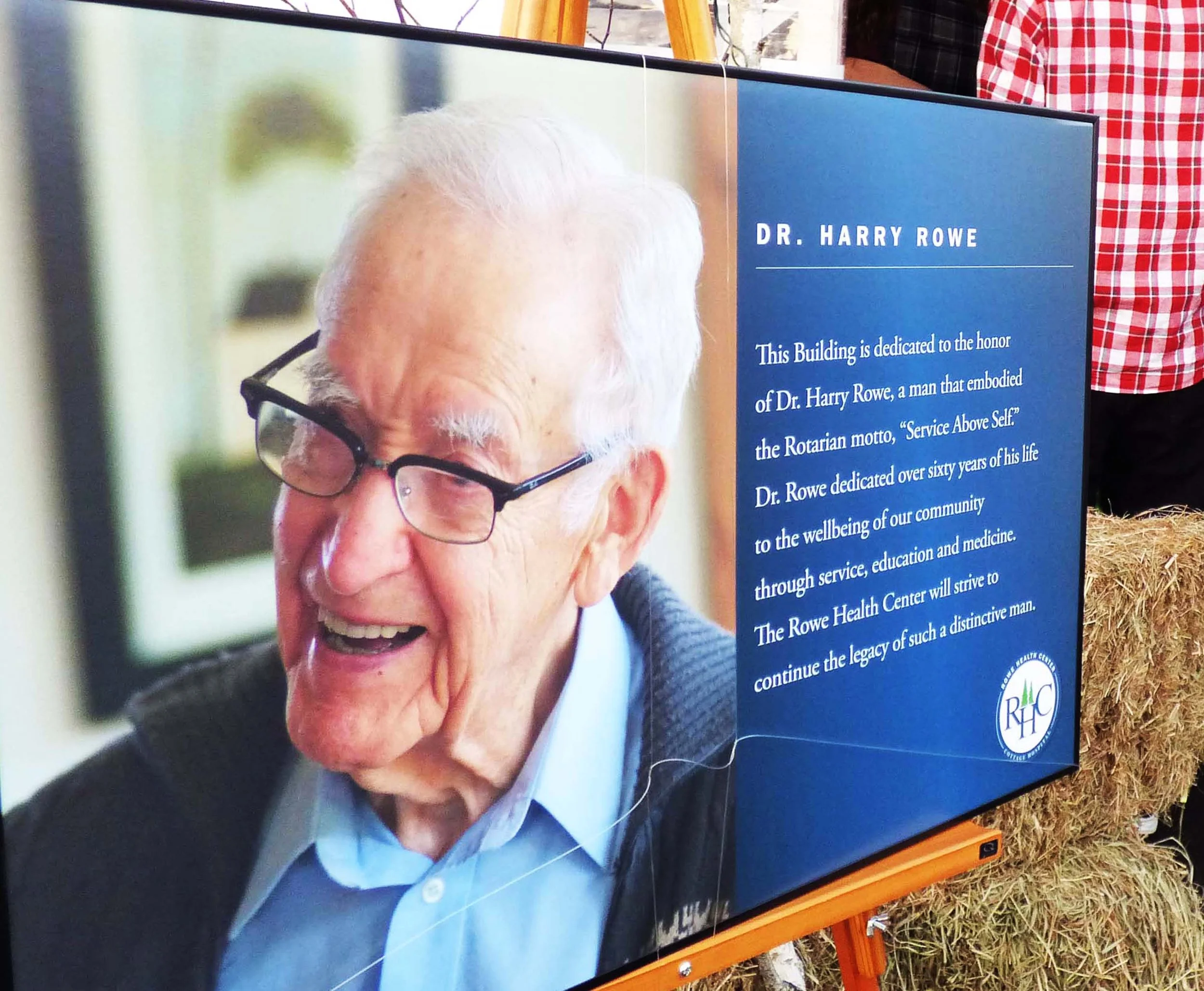
A large poster used during the opening ceremonies of the Rowe Health Center at Cottage Hospital in Woodsville, features the center’s dedication “To the honor of Dr. Harry Rowe, a man who embodied the Rotarian Motto “Service Above Self.” The Bridge Weekly file /Bernie Marvin
Little Rivers holds Legislative Town Hall session in Fairlee
Offering a welcome and making opening remarks to the attendees was Little Rivers Health Care CEO Andrew Barter at 9 AM. About 20 residents attended the session. Fairlee Select Board member Peter Berger also offered other remarks.
By Bernie Marvin
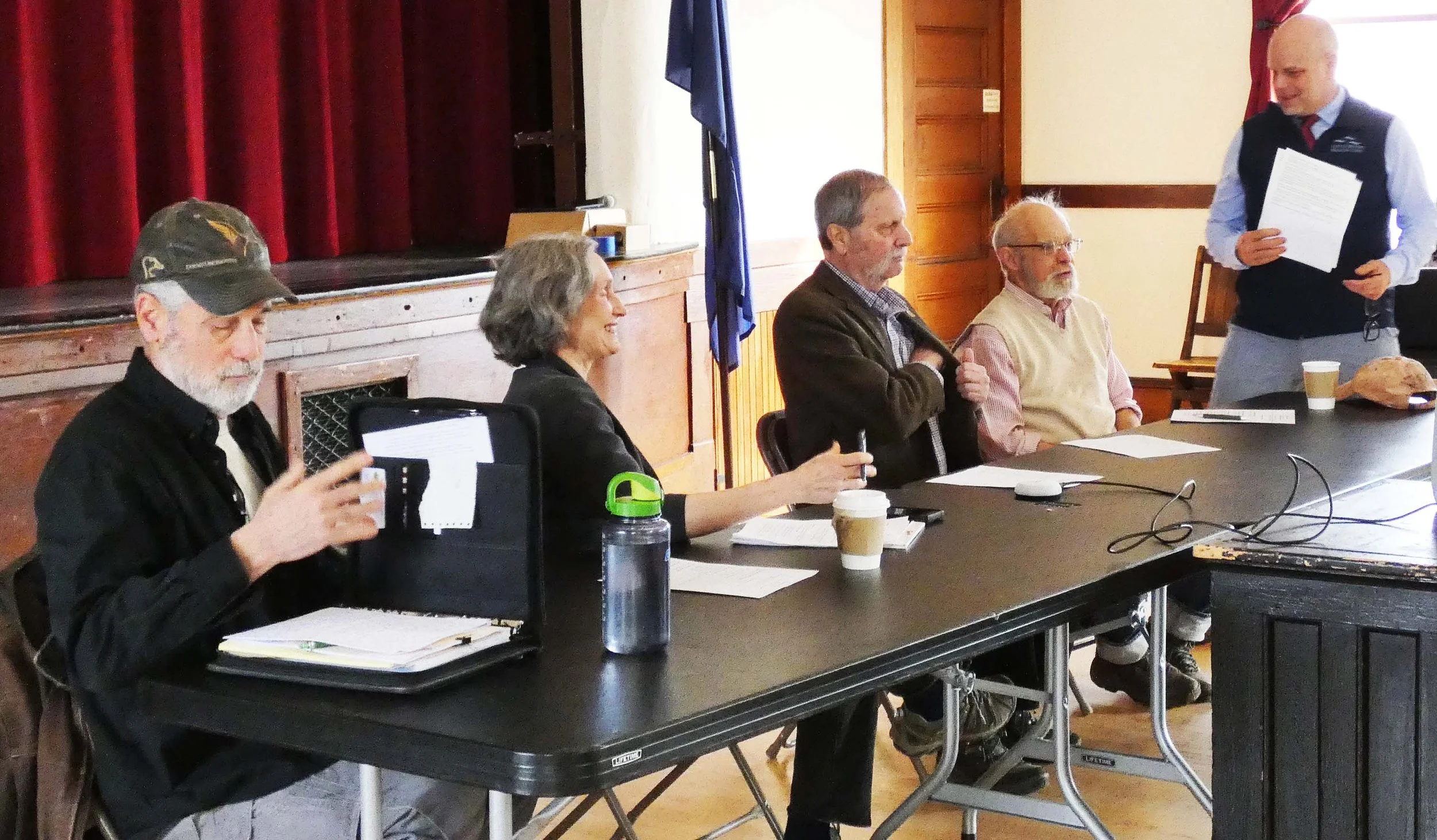
Attending a recent Vermont Legislative Town Hall at the Fairlee Town Hall were, left to right, Representative Michael Tagliavia, Representative Rebecca Holcomb, Senator John Benson, and Representative Jim Masland. Standing at right is Little Rivers Health Care CEO Andrew Barter who offered opening remarks and also moderated the meeting. Barter said the health care organization, based in Bradford, plans to hold similar forums across their service area. The Bridge Weekly/Bernie Marvin
Fairlee, VT – The Little Rivers Health Care, with offices in Bradford, Wells River, East Corinth, and Newbury, sponsored another Legislative Town Hall meeting at the Fairlee Town Hall on Monday, March 30, 2026.
This is not an unusual effort for the Bradford-based health care center, as it remains a busy site across its four locations, with high growth. For instance, between 2016 and 2021, Little Rivers Health Care experienced a 78 percent increase in patient visits, prompting major expansion efforts.
The recent legislative session in Fairlee was scheduled for a one-hour program and included local Vermont legislators and area residents. Legislators there included Representative Michael Tagliavia, Orange 1 District; Representative Rebecca Holcombe, Windsor-Orange 2 District; Senator John Benson, Orange District, and Representative James Masland, Windsor-Orange District 2.
Offering a welcome and making opening remarks to the attendees was Little Rivers Health Care CEO Andrew Barter at 9 AM. About 20 residents attended the session. Fairlee Select Board member Peter Berger also offered other remarks.
CEO Barter told The Bridge Weekly at the conclusion of the Fairlee Town Hall Legislative Session that he and the staff were "very pleased with the turnout and the level of engagement. The discussion reflected strong community interest in access to care and the future of local health services, which is exactly what we hoped to foster."
The programs:
Little Rivers Health Care has created an active schedule of public programs, including Town Hall sessions and advocacy and formal testimony, according to information available on their website and during the meeting.
The programs address a wide range of subjects, from rural healthcare challenges such as access to care and rising healthcare costs. About an hour was scheduled to hear from legislators who offered a summation of bills and legislation that are now or have been under consideration for action in Vermont.
Those four legislators concentrated their comments on several different subjects that headlined the meeting, including health care access and the workforce, housing and land use, education funding, and the State of Vermont budget and investment priorities.
Little Rivers Health Care is a not-for-profit, community-based, federally qualified health center. They are dedicated to providing high-quality, comprehensive primary care for individuals and families, regardless of ability to pay, in accordance with specific federal guidelines. Little Rivers Health Care works hard to meet the community's unique health needs, with a special focus on the medically underserved.
According to their online information, their service area includes the Vermont towns of Bradford, Chelsea, Corinth, Fairlee, Groton, Newbury, Norwich, Orange, Ryegate, Strafford, Thetford, Topsham, Tunbridge, Vershire, Washington, West Fairlee, and neighboring towns of border communities in New Hampshire.
Among many community legislative programs, town hall sessions are included, similar to the one held on Monday, March 30, 2026. These events allow community members to hear from and question local legislators on regional issues. Participating legislators often include regional personnel, such as those who were at the front of the room in the Fairlee Town Hall, to speak to visitors.
Discussions held usually center on health care affordability, housing challenges, and the future of community health in rural Vermont. And there is regular participation by Little Rivers Health Care leaders in the Vermont Legislative Day, where they visit the State House to meet with lawmakers, often alongside the Bi-State Primary Care Association, to advocate for the vital role of Federally Qualified Health Centers (FQHCs).
The staff at Little Rivers Health Care also provides expert testimony to the Vermont Legislature on specific public health initiatives, such as Food as Medicine, where Clinical Quality Director Maureen Boardman and other staff have testified before the Senate Agriculture Committee regarding the Little Rivers Food Farmacy, which uses nutritious food to manage chronic diseases. Also, 3SquaresVT Advocacy, with Little Rivers Health Care, is participating in 3SquaresVT Awareness Day to help legislators understand the impact of food access programs on the local community.
Little Rivers Health Care also participates in broader state legislative initiatives designed to stabilize and improve rural health: Blueprint for Health, a state program that funds "Self-Management" workshops (such as those for diabetes or chronic pain) and integrates mental health services into primary care.
And also, the Stabilization Program: Little Rivers Health Care has been part of discussions and reporting regarding state-funded sustainability approaches for community providers facing financial pressures.
20 years of growth:
Little Rivers Health Care has a dynamic history and was founded in 2003 by a group of citizens and healthcare leaders who wanted to maintain the medical services needed in the rural areas they now serve.
Little Rivers Health Care included several local practices in its family, one of the first being the Wells River Clinic, which was originally opened in 1951 by Dr. Harry Rowe. As the business expanded from its base office in Bradford, offices in East Corinth and Newbury were added over time.
In 2022, they launched a dynamic major capital campaign, "People you know, the care you trust," which sought $6.2 million for facility expansions. They recently celebrated 20 years of service in the area and completed extensive renovations at the Bradford clinic, with additional dental and health access centers in Wells River, which opened in 2025. As of 2024, the center has provided nearly 45,000 patient visits to over 7000 community members, and Little Rivers Health Care employs over 100 people.
CEO Barter said that Little Rivers Health Care plans to hold similar forums and to rotate locations across their service area to ensure broader community participation."